

Drug Benefit Firms Devise New Fees That Go to Them, Not Clients
Pharmacy benefit managers negotiate cheaper prices for employers and health plans. They also pocket drugmakers’ cash.
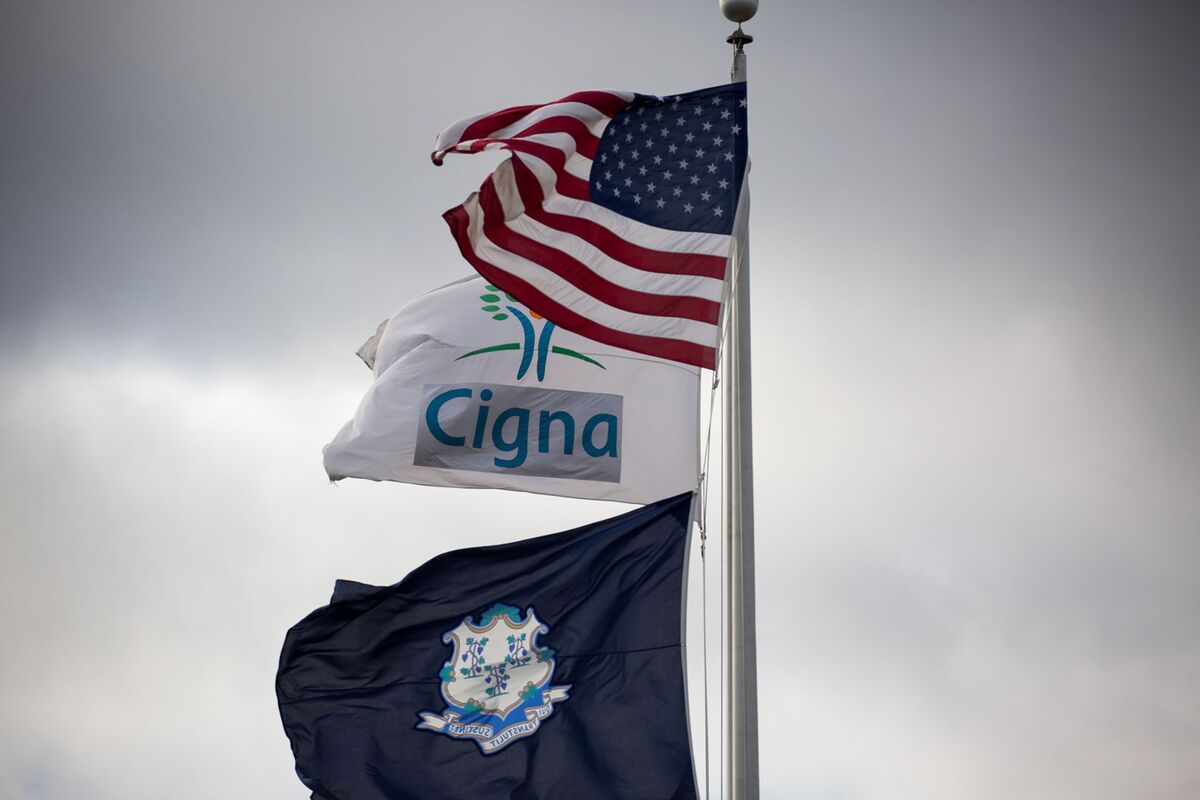
A flagpole at Cigna Corp.’s headquarters in Bloomfield, Connecticut.
Photographer: Michael Nagle/BloombergPharmacy benefit managers (PBMs) arose in the 1960s to help health insurance plans control spending on prescription drugs. They were lauded early on as a counterweight to drug companies, able to bundle the purchasing power of thousands of employers and insurers to negotiate lower prices for medicines. But these days, they’re frequently accused of being one of the causes of higher drug prices rather than a solution to them.
At issue are the side deals that the drug price negotiators have made with pharma companies, allowing PBMs to grab extra cash for themselves from the very parties they’re supposed to be playing hardball against. Facing increasing pressure to pass along all the discounts they get from drugmakers back to their clients, PBMs have recently changed what that money is called in a way that makes it harder to trace.
Up Next
Drug Benefit Firms Devise New Fees That Go to Them, Not Clients