Why Housing Reform Worked in Montana
A unique mix of environmentalism and individualism helped this rural state build a coalition around pro-housing bills. Could the approach succeed elsewhere?
Needed: more houses.
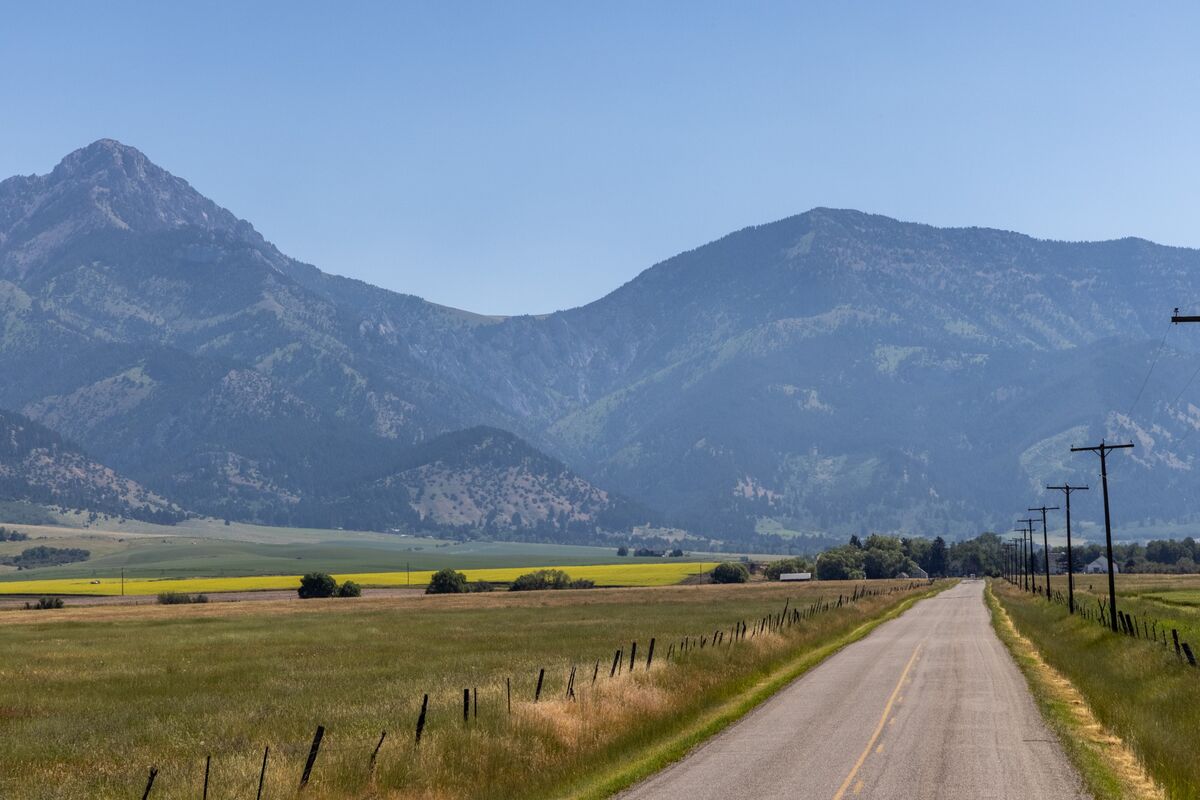
Photographer: Louise Johns/BloombergSparsely populated Montana, where cows outnumber people two to one, might not seem like a model stage for a national debate about urbanism. But when state lawmakers passed a suite of zoning and land use reform bills early in 2023, eyes across the housing-strapped US turned to Big Sky Country. Montana’s push to build new homes represents some of the most ambitious “Yes In My Backyard” reforms taken by any state in recent years — implemented on a timeframe that puts efforts by California or New York to shame.
While the contentious YIMBY-v.-NIMBY dynamic has bricked other state legislatures over housing issues, Republican and Democratic lawmakers in Montana were able to find consensus. The state’s cultural remove and ample natural bounty might help to explain why: Its cities are smaller and its population much more rural than other states that have weighed zoning and permitting bills to boost housing production. Still, the question is no less pressing for Montana than it is for New Jersey or Massachusetts. In recent years the average price for a home in Bozeman, Missoula, Helena and several other cities has skyrocketed past the US median.
Up Next
Why Housing Reform Worked in Montana