Why Tesla’s EV Charging Plugs Are Becoming Industry Standard
07/08/2023 23:42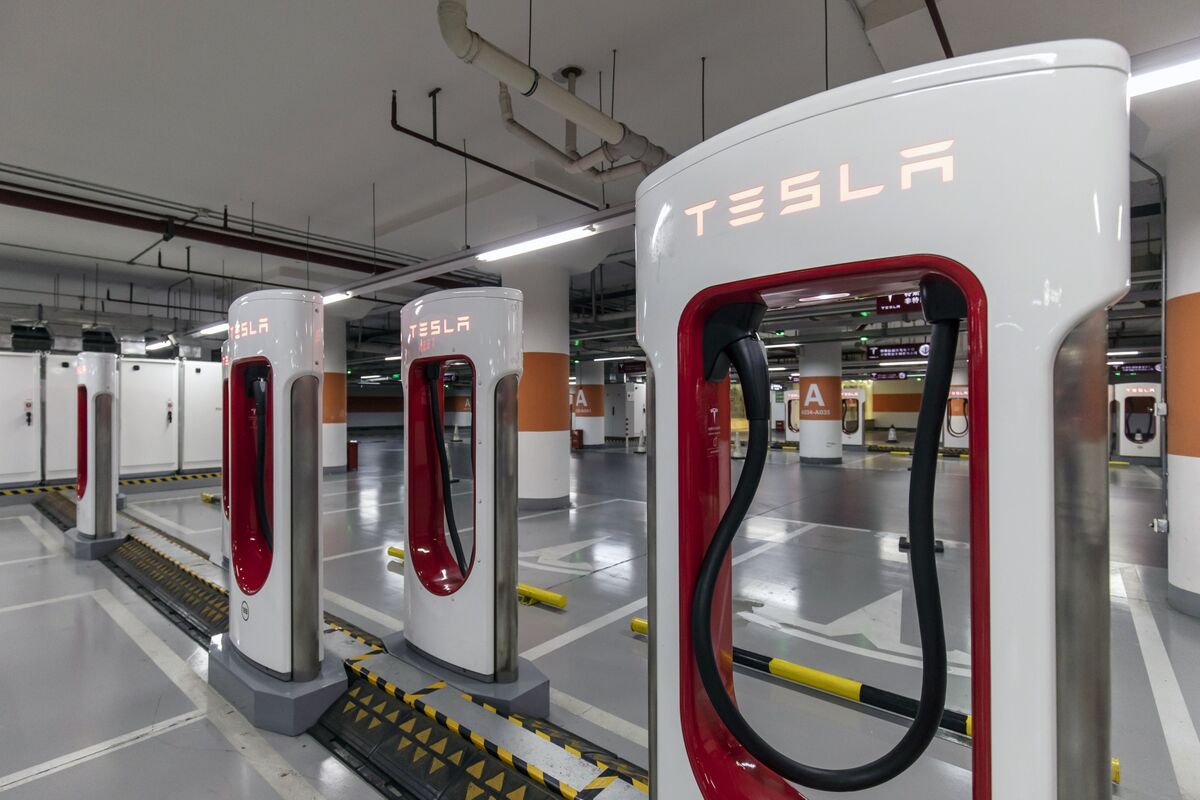
When Tesla Inc. introduced its battery-powered Model S sedan in 2012, it included a proprietary plug for recharging used by no other automaker. The company also installed its own network of high-speed chargers exclusively for Teslas. Rival carmakers took a different approach. They used a variety of plug designs and relied on independent companies to build and operate public charging networks using those plugs. Then suddenly this spring, Ford Motor and General Motors announced that their future e
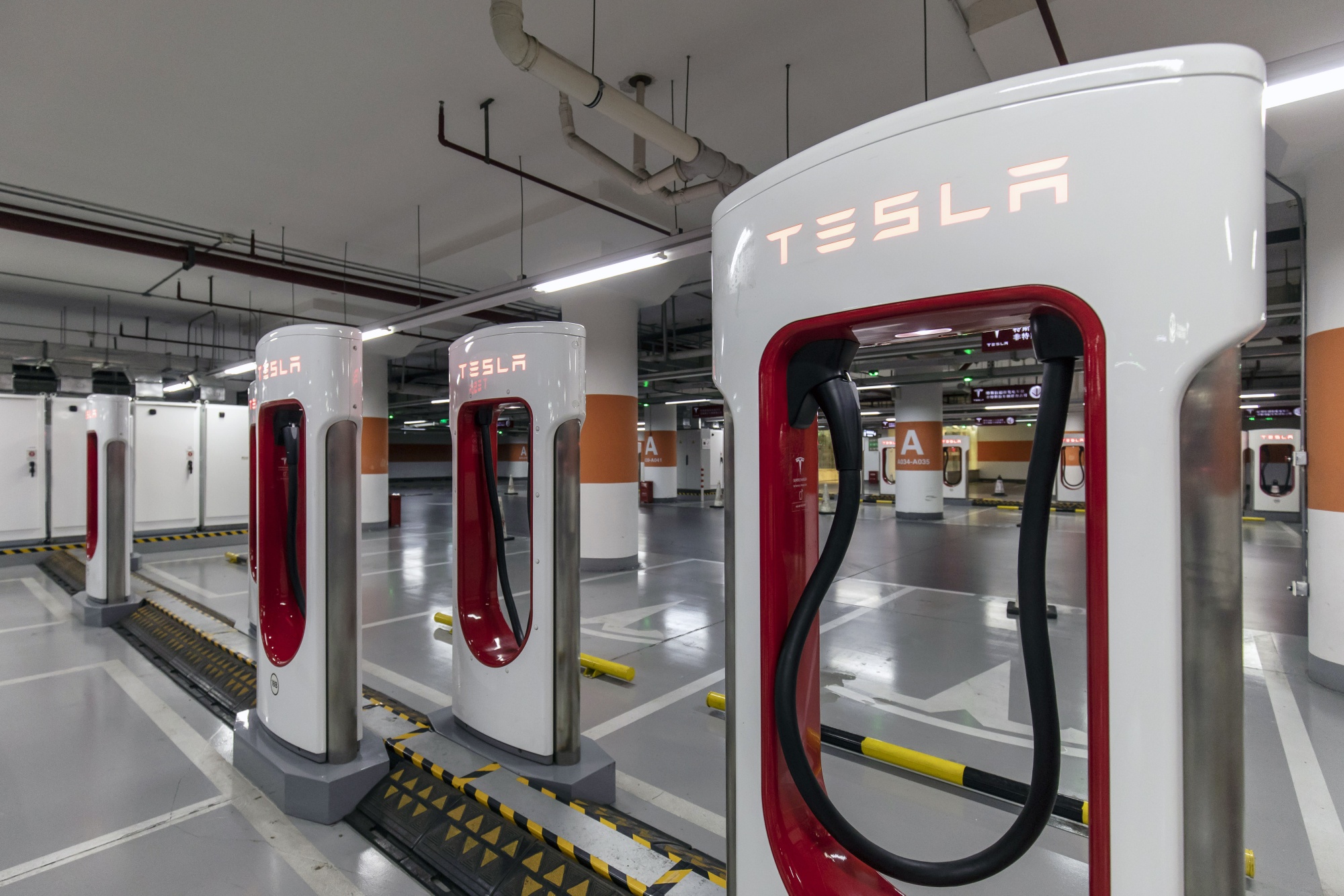
A Tesla Inc. Supercharger station in Shanghai.
Photographer: Qilai Shen/BloombergWhen Tesla Inc. introduced its battery-powered Model S sedan in 2012, it included a proprietary plug for recharging used by no other automaker. The company also installed its own network of high-speed chargers exclusively for Teslas. Rival carmakers took a different approach. They used a variety of plug designs and relied on independent companies to build and operate public charging networks using those plugs. Then suddenly this spring, Ford Motor and General Motors announced that their future electric vehicles would use Tesla’s charging gear, and Rivian, Volvo and Mercedes-Benz quickly followed. Breathless headlines proclaimed that Tesla “won the charging wars.” But many analysts say the impact on the fast-growing EV industry, and drivers, is likely to be less dramatic than that.
They want access to Tesla’s US network of roughly 20,000 Superchargers, which represent 62% of all high-speed chargers installed along American roads. These chargers can add up to 200 miles of range to a drained EV battery in 15 minutes. They’re also considered the most reliable. Drivers surveyed by J.D. Power consistently give Tesla higher marks than other charging networks, such as those run by ChargePoint Holdings Inc., Blink Charging Co. and EVgo Inc. Broken public chargers have long been a frustration of EV drivers, and Ford and GM don’t want that problem to slow sales of their new electric cars. Both companies are pushing hard to electrify their cars and trucks, with GM setting a goal of selling only zero-emission light-duty vehicles by 2035.