Pouring Oil on Troubled Statistics, Part II
On the somber milestone of a war 50 years ago, here’s a look at the problem of oil prices in measuring inflation, plus other issues with statistics.

John Authers is a senior editor for markets and Bloomberg Opinion columnist. A former chief markets commentator at the Financial Times, he is author of “The Fearful Rise of Markets.”
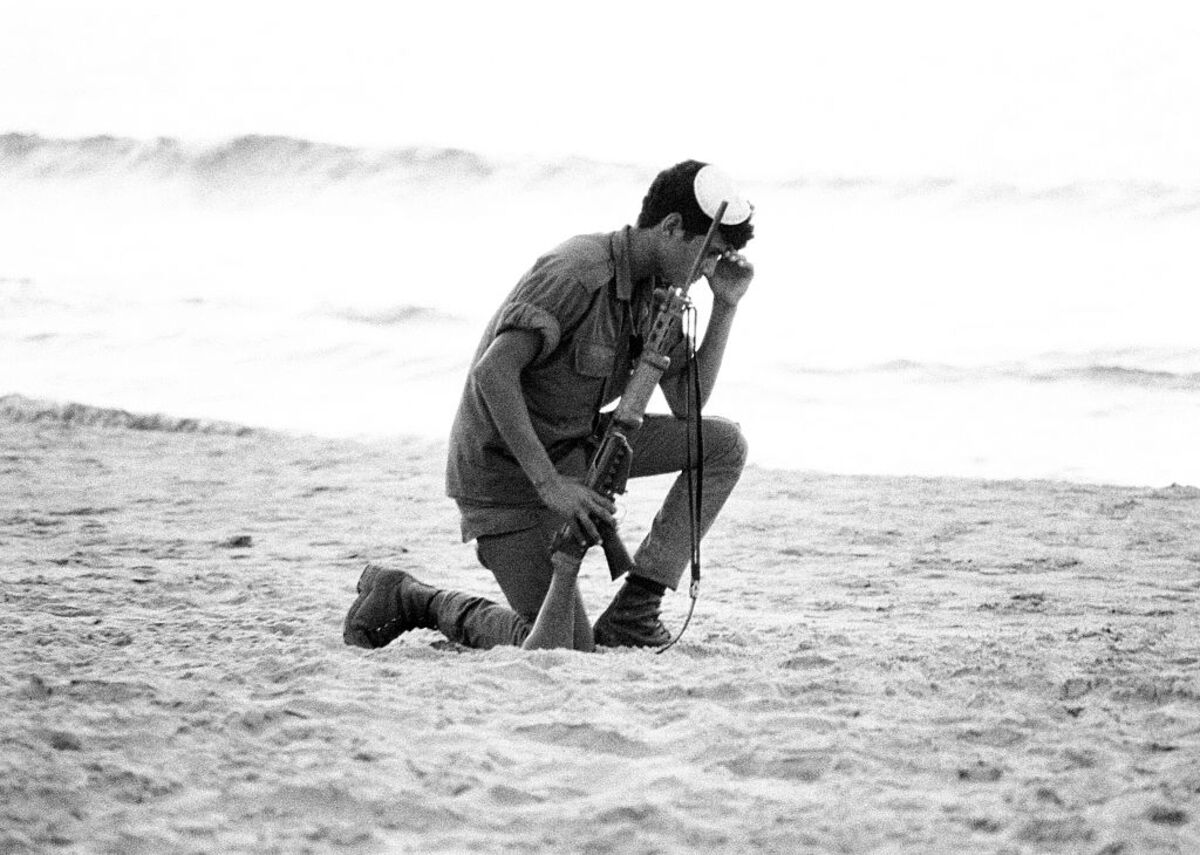
An Israeli soldier kneels down to pray on Oct. 22, 1973, during the Yom Kippur War.
Photographer: Mirrorpix/Getty
To get John Authers' newsletter delivered directly to your inbox, sign up here.
This is the 50th anniversary of history’s biggest oil price shock — at least if you use the Hebrew calendar. On Yom Kippur in 1973, the holiest day of the Jewish year when the Israeli population fasts, several different Arab nations invaded and sparked the chain of events that led to the oil embargo. That led to “stagflation” — both inflation and economic stagnation — in the developed world for much of the next decade. Working out how oil will affect inflation, however, brings us to one of the thorniest thickets in the debate over how prices should be measured, and whether they’re deliberately distorted, which we started to cover in yesterday’s Points of Return.
Up Next
Pouring Oil on Troubled Statistics, Part II