The Facebook owner paid a generous fee to exit a London office lease. But did the landlord really get the better of Meta?

Chris Hughes is a Bloomberg Opinion columnist covering deals. Previously, he worked for Reuters Breakingviews, the Financial Times and the Independent newspaper.
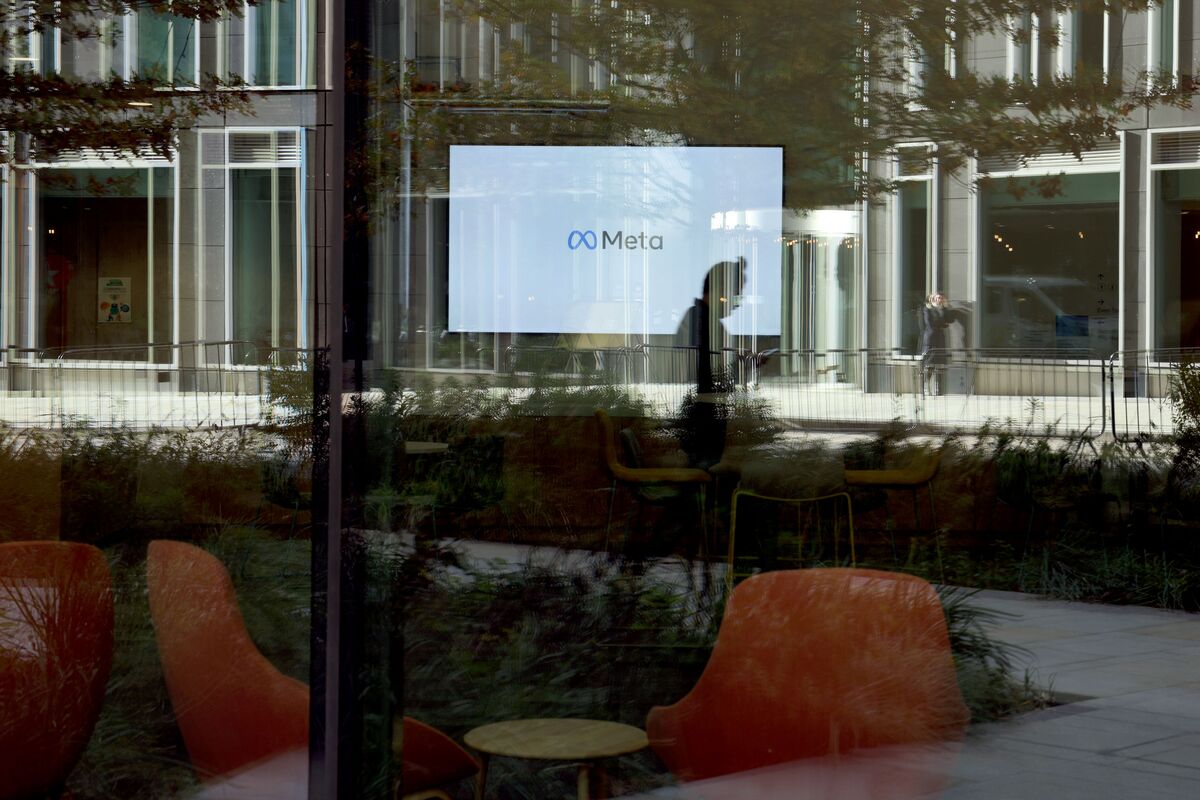
Meta’s main London office in King's Cross, where it’s staying.
Photographer: Dan Kitwood/Getty Images EuropeMeta Platforms Inc. shocked property observers last week by agreeing to pay £149 million ($180 million) — seven years’ rent — to escape the remaining 18 years of a London lease it signed in 2021. If swallowing that was more cost effective than Meta’s original plan to sublet the site, things must surely be dire for the London office market. The puzzle is that the stock market doesn’t see it that way.
In a balanced negotiation, the exit penalty from a lease ought to driven primarily by three numbers: the cost of reconfiguring the unit for new tenants; the rent foregone in any void period prior to new occupants arriving; and the upfront value of any difference in the new rent versus what was being paid (which could be positive or negative).
Up Next
Meta’s $180 Million Office Break Fee Is Well Spent