Why Did the Iceland Volcano Erupt? How Dangerous Is It?
02/09/2024 01:57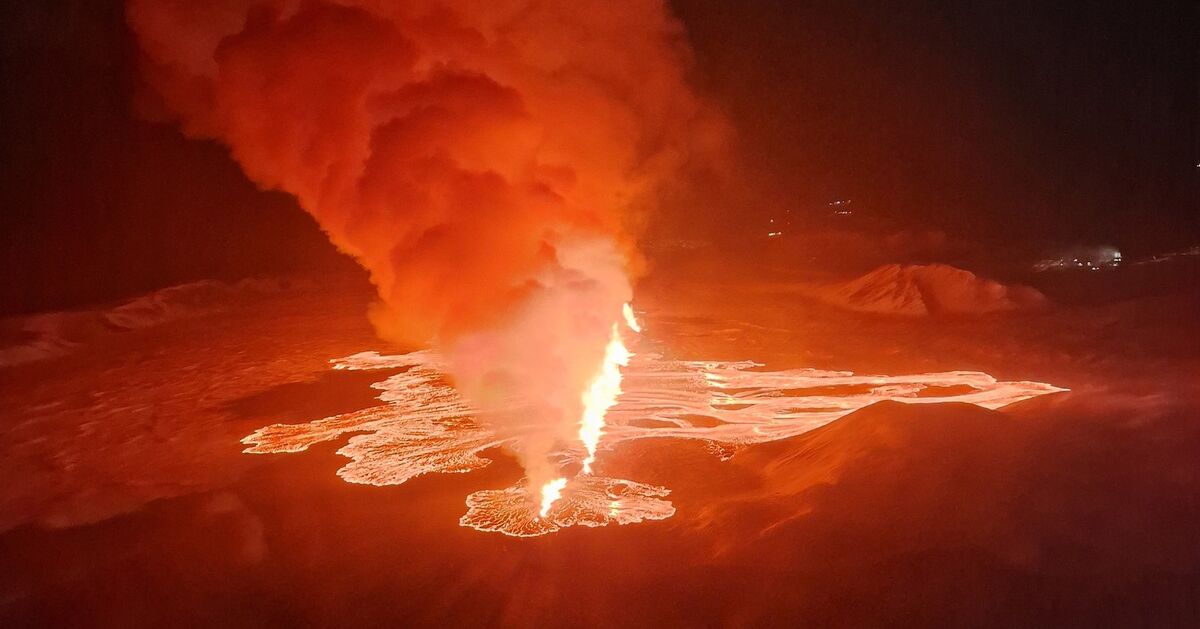
Repeated volcanic eruptions have rocked southwestern Iceland since December, rekindling memories of the Eyjafjallajokull explosion of 2010, whose ash clouds grounded air traffic across Europe for weeks. This time around, the impact is being felt most keenly by Icelanders themselves. The fishing community of Grindavik, home to almost 3,700 people, has been rendered inhabitable since a spate of tremors that ripped up streets and damaged homes.
Repeated volcanic eruptions have rocked southwestern Iceland since December, rekindling memories of the Eyjafjallajokull explosion of 2010, whose ash clouds grounded air traffic across Europe for weeks. This time around, the impact is being felt most keenly by Icelanders themselves. The fishing community of Grindavik, home to almost 3,700 people, has been rendered inhabitable since a spate of tremors that ripped up streets and damaged homes.
The country experiences a volcanic eruption every five years on average. Each can be different in nature, size and scope. The current series of eruptions in the Reykjanes Peninsula is linked to intense seismic activity that started in 2020 after the area had lain dormant for about 800 years. Magma rose to the surface in 2021 and has emerged five times since then from relatively small fissures. In a fissure eruption, liquid lava runs and ash is not spewed into the atmosphere. While the first three eruptions happened in remote areas and posed little risk to people or infrastructure, the latter ones have resulted in the worst volcanic damage in the country in 50 years. While deaths are uncommon, one person is presumed to have fallen into a crack in the ground near Grindavik and died.